

DREAD HAIR
Understanding fibres, textures
& materials used in dreadlock work.
Hair selection plays an important role in dreadlock creation, extensions and design. Different fibres behave differently during installation, wear and maintenance, and understanding these differences helps you choose suitable materials for both your work and your clients.
This page explores synthetic fibres, human hair, wool, texture, quantity, material selection and ethical considerations.
Synthetic VS Human
〰️
Hair Types
〰️
Textures
〰️
Hair Quantity
〰️
Client Selection
〰️
Ethics & Sourcing
〰️
Synthetic VS Human 〰️ Hair Types 〰️ Textures 〰️ Hair Quantity 〰️ Client Selection 〰️ Ethics & Sourcing 〰️
SYNTHETIC vs HUMAN
-
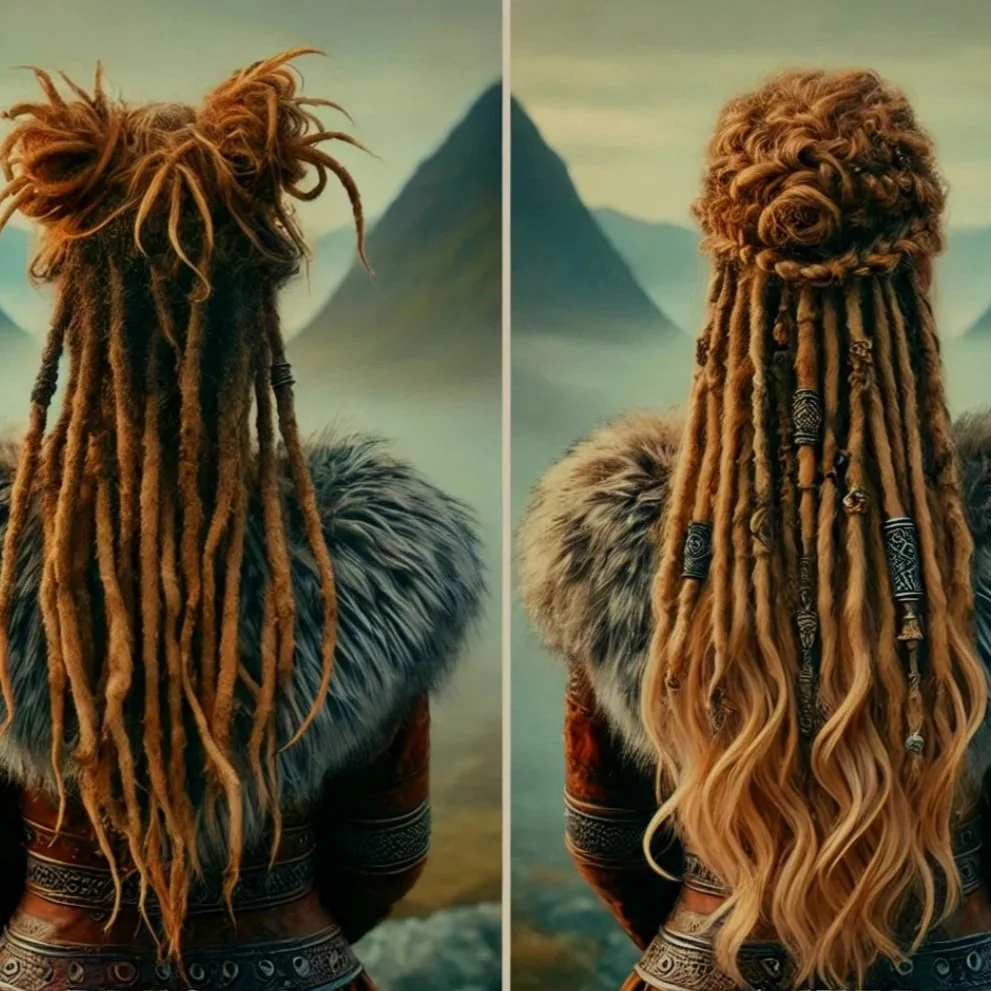
Dreadlocks are more than just a hairstyle - they are an expression of intention, creativity, and personal magic. Choosing between synthetic and real dreadlocks depends on your goals, lifestyle, and the experience you want with your hair.
Synthetic Dreadlocks
Temporary style (typically 2–3 months of wear)
Easy to care for and maintain
Braided into your own hair, creating a slightly less natural look
Easy to remove
Adds volume quickly
More affordable
Installed in 2–3 hours, with minimal discomfort
Dries quickly
Maintains appearance over time
Requires at least 8 cm of your own hair for braiding
Real Dreadlocks
Long-term, permanent hairstyle
Requires care and maintenance, especially in the first year
Naturally blends with your hair
Removal is more difficult (cutting or carefully combing out)
Volume depends on your hair thickness and amount
Higher investment in time and cost
Can take a full day or more to create
Installation and maintenance can feel sensitive on the scalp
Drying can take time, particularly as dreads mature
Over the first months, dreads may look messy, but gradually become firmer and more defined
Hair should be at least 15 cm for extensions; without extensions, jaw/neck-length is recommended
-
The main reason you want dreadlocks can help guide your choice:
I want more volume in my hair
Synthetic dreadlocks create volume quickly and easily, even on thinner hair. Adding double-ended dreads can enhance fullness.
Real dreadlocks add volume based on your natural hair. Extensions can be added temporarily to increase thickness or introduce colour.
Summary: Synthetic dreads are easiest for achieving immediate volume.
I like to change hairstyles often
Synthetic dreadlocks allow for frequent style, colour, and length changes without long-term commitment.
Real dreadlocks offer less flexibility, though you can accessorize with beads, charms, or single-ended dreads for temporary variety.
Summary: Synthetic dreads suit those who crave variety.
I want the most natural look
Synthetic dreads are uniform and braided in, so slight braid lines may show.
Real dreadlocks are formed from your own hair, creating a unique, natural texture that evolves over time.
Summary: Real dreads appear most natural and develop character over the years.
I want an easy, low-maintenance hairstyle
Synthetic dreadlocks require minimal daily styling and can be washed weekly. Reinstallation every few months keeps them fresh.
Real dreadlocks need more care initially, but with time they become self-maintaining and grow with you.
Summary: Synthetic dreads are easier for daily convenience.
I want to experiment with dreadlocks
Synthetic dreadlocks are ideal for trying out a new look without permanent commitment.
Real dreadlocks are a longer-term choice; removal requires patience and care.
Summary: Synthetic dreads are best for testing the style.
I want to simplify hair care and avoid tangles
Synthetic dreads can be removed periodically and allow your hair a break.
Real dreadlocks eliminate daily detangling and brushing, offering freedom from traditional hair maintenance.
Summary: Both can help reduce daily hair struggles; synthetic for temporary ease, real for lasting convenience.
Still unsure which path is right for you? Consider booking a Consultation through DreadSchool. We can guide you based on your hair type, goals, and the magical intentions behind your dreadlocks. Sessions can be in person or online, making it easy to get tailored guidance before you begin your journey.
-
Please do your own research on the potential health risks associated with chemical coatings on synthetic hair. While synthetic braiding and extension fibres are widely used, some products may contain harmful chemicals such as formaldehyde, heavy metals, or other volatile compounds. Individual reactions and sensitivities can vary, so we encourage you to make informed choices for your health and safety.
HAIR TYPE COMPARISONS
-
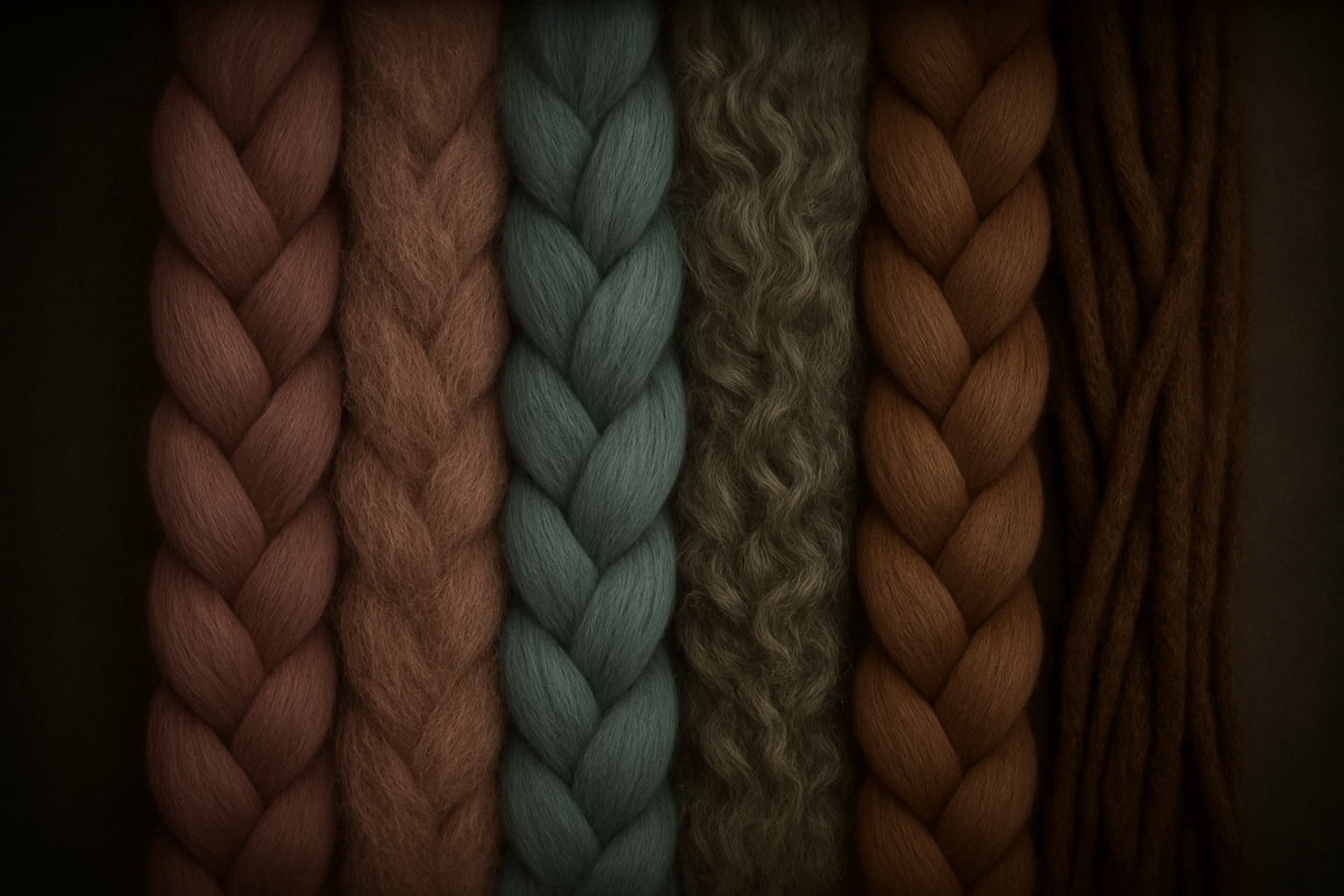
Each hair type carries its own magic. Whether you want polished perfection, organic texture, bold volume, or playful curl patterns, selecting the right fibre sets the foundation for the dreads you are creating and for the energy they will hold.
-
Soft, smooth, and versatile, Henlon is a premium fibre which behaves naturally when dreaded, blending easily and holding shape beautifully.
Pros:
Soft and easy to work with
Blends naturally with your own hair
Holds shape without stiffness
Ideal for extensions or full sets
No harsh chemical coatings - perfect for sensitive scalps
Cons:
More expensive than standard synthetic fibres
Less colour options compared to Kanekalon
-
Durable, smooth synthetic fibres perfect for long, uniform locks. Ideal for experimentation and temporary styles.
Pros:
Holds style and length beautifully
Low-maintenance
Large variety of colours and lengths
Affordable
Cons:
Less natural texture
Finished dreadlocks or braids can feel slippery or stiff
Uniform appearance may lack organic character
DISCLAIMER: Please do your own research on the potential health risks associated with chemical coatings on synthetic hair. While synthetic braiding and extension fibres are widely used, some products may contain harmful chemicals such as formaldehyde, heavy metals, or other volatile compounds. Individual reactions and sensitivities can vary, so we encourage you to make informed choices for your health and safety. -
Soft synthetic fibres with factory-set curl patterns such as ANNA WAVE (brushable) or ARIEL CURL, perfect for creating textured, wavy & curly dreadlocks without extra styling.
Pros:
Beautiful, consistent curls straight from the package
Low-maintenance and easy to install
Adds natural-looking movement and volume
Ideal for boho, relaxed, or curly dread styles
Cons:
Limited styling flexibility, curls are factory-set
May look less natural compared to human hair as it matures
Higher cost than straight synthetic fibres
-
Yaki hair is a textured synthetic or human hair fibre designed to resemble the appearance and feel of naturally textured hair. Unlike smooth braiding fibres, Yaki has a slightly coarse, crimped finish that provides additional grip and creates a fuller, more natural-looking result.
Its texture makes it particularly useful for dreadlock creation and extensions where a softer, less uniform appearance is preferred. It can blend well with natural hair and is available in a range of colours, lengths and textures.
Best suited for:
Natural-looking dreadlock extensions
Adding texture and volume
Blending with coarse or textured natural hair
Creating softer, less uniform dreadlocks
Mixing with other fibres for customised results
The exact texture and quality of Yaki hair varies between manufacturers, so always assess the fibre before choosing it for permanent or long-term dreadlock work.
-
Dense, springy hair that locks tightly, creating bold, voluminous, sculptural dreads.
Pros:
Builds natural volume
Holds its shape extremely well
Forms unique bumps, twists, and loops over time
Perfect for textured, sculptural styles
Cons:
Can be more challenging to braid or install
Takes longer to dry
Requires patience for beginners
-
Natural, earthy, and beautifully textural, wool is a traditional fibre that creates soft, organic-looking dreadlocks with a warm, handmade aesthetic. Its matte finish and lightweight feel make it perfect for boho, viking, and wild, natural-inspired crowns.
Pros:
Extremely lightweight — comfortable even in long sets
Soft, warm, and gentle on sensitive scalps
Creates a natural, matte, organic look
Easy to felt, blend, dye, and customise
Adds volume without heaviness
Ideal for rustic, boho, or textured styles
Cons:
Not suitable for sleek or ultra-realistic styles
Can absorb water and take longer to dry
May change shape slightly as the fibres felt more over time
Hand-dyed wool may require careful colour-setting
Not ideal for frequent swimmers
-
Soft, natural, and full of life, human hair evolves over time, creating unique texture and a natural, organic finish.
Pros:
Most natural appearance
Can be styled and coloured like your own hair
Develops unique texture as it matures
Long-lasting
Ethically sourced, recycled hair or brand new options available
Cons:
Higher cost than synthetic fibres
Requires more care and maintenance
Longer installation time
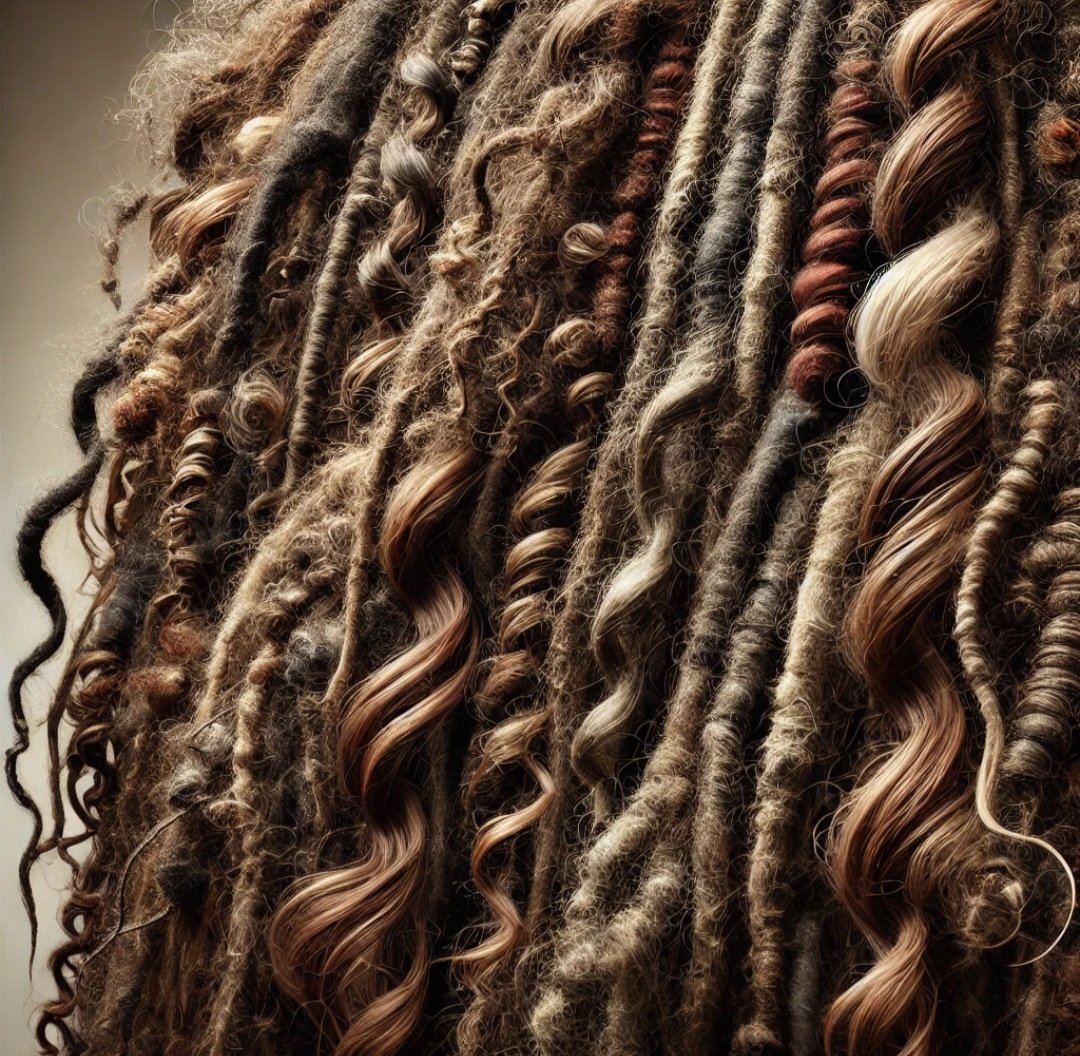
TEXTURES
-
Texture is more than just how hair looks or feels, it carries energy, movement, and personality. Understanding texture helps you create dreadlocks that are not only beautiful, but aligned with the intention and vision behind your style.
Each hair type - Henlon, Kanekalon/Jumbo Braid, Water Wave Synthetic, Yaki/Braiding Hair, Afro, Wool and Human Hair - interacts differently with textures, giving your locs unique character and flow.
-
Sleek, smooth, and refined, straight hair creates clean, uniform dreadlocks.
Works beautifully with Henlon, Kanekalon, and Human Hair for polished, elegant styles.Merino wool is a favourite for straight locs because its fine, smooth fibres felt into clean, even strands that maintain a soft, lightweight, naturally polished look.
Straight textures hold shape well and are perfect if you want defined, orderly locks. -
Soft, flowing waves bring gentle movement and a natural bohemian energy to your dreads.
Wavy textures appear beautifully in factory-set Water Wave fibres like the thick, soft, brushable ANNA WAVE, and can also be created manually by heat-sealing straight high-temperature fibres such as Henlon. Waves add life, softness, and a subtle rhythm to a set, making your locs feel relaxed, atmospheric, and effortlessly styled.Textured wools including Teeswater, Alpaca, and Mohair also belong in the Waves & Curls family. Their natural spirals, crimps, and loose curls translate perfectly when felted into locs, holding their movement and giving your set a wild, windswept, organic texture. These fibres blend seamlessly with Water Wave synthetics or curly human hair, adding depth, softness, and a beautifully untamed energy to any crown.
Bouncy curls bring even more personality and volume. Factory-set fibres like ARIEL HAIR offer fluffy, defined curls that slowly matt into structured curly dreadlocks over time. (They cannot be brushed like ANNA WAVE.)
Curly dreads naturally form loops, bends, and lively shapes as they mature, creating dynamic, whimsical locks full of character. -
Thicker, tactile strands create bold, strong dreads with abundant volume and presence. Coarse textures work beautifully in Henlon, Yaki, Afro hair, and textured wools such as Teeswater or Alpaca, giving sculptural, statement-making styles that embrace a raw, knotted, and natural appearance reminiscent of freeform locs. These fibres add depth, dimension, and character to each lock, holding their shape exceptionally well while allowing for natural bumps, twists, and organic movement. The combination of coarse hair and textured wool brings an earthy, grounded energy to any crown, making each set feel powerful, intentional, and alive.
-
A tapestry of textures - dreadlocks, curls, braids, plaits, twists, straight, wavy, or coarse strands - comes together to create the wild, layered energy of the Boho & Viking aesthetic.
Using a mix of Henlon, soft textured wools like Teeswater or Alpaca, and Water Wave hair, each fibre contributes its own movement, weight, and character.
Locks twist and spiral around braids, plaits intertwine with curls, and waves flow into coils, creating crowns that feel both untamed and intricately designed. The result is a natural, multidimensional style full of depth, rhythm, and personality for a crown that is alive, intentional, and uniquely yours. -
Dense, springy hair that locks tightly, forming dramatic, sculptural dreads.
Afro textures in Human Hair or Afro/Braiding Hair give your locs volume, dimension, and sculptural energy.
Each lock develops its own unique shape and character over time, making every set entirely individual. -
Hybrid textures embrace the beauty of combining fibres to create crowns that are both functional and visually stunning. By mixing different hair types, you can achieve unique movement, depth, and style while tailoring the set to your client’s needs, budget, and aesthetic vision.
For example, pairing synthetic dreadlock lengths with human hair or wool ends creates the popular luxe ends look, giving the impression of length and fullness without the full cost and weight of thick human hair.
Adding wool ends or synthetic braids, twists, or curls to the bottom of human hair dreadlocks creates playful contrast, adds volume, and introduces subtle texture variation, perfect for an on-trend, layered finish.Other hybrid ideas include:
Henlon roots with Water Wave or textured wool tips, giving smooth, controlled roots with natural, free-flowing ends - perfect for those with scalp sensitivities.
Yaki or Afro fibres blended into Henlon or Human Hair locs for bold, sculptural volume with a grounded, earthy feel
Kanekalon streaks woven into natural fibres, offering vivid colour accents and dramatic highlights without compromising the natural look
Wool and Water Wave curls combined, producing lightweight, bouncy, textured crowns that feel organic and whimsical
Hybrid textures allow you to sculpt a crown that is dynamic, dimensional, and tailored, combining the best qualities of each fibre to create locs that are playful, intentional, and entirely unique.
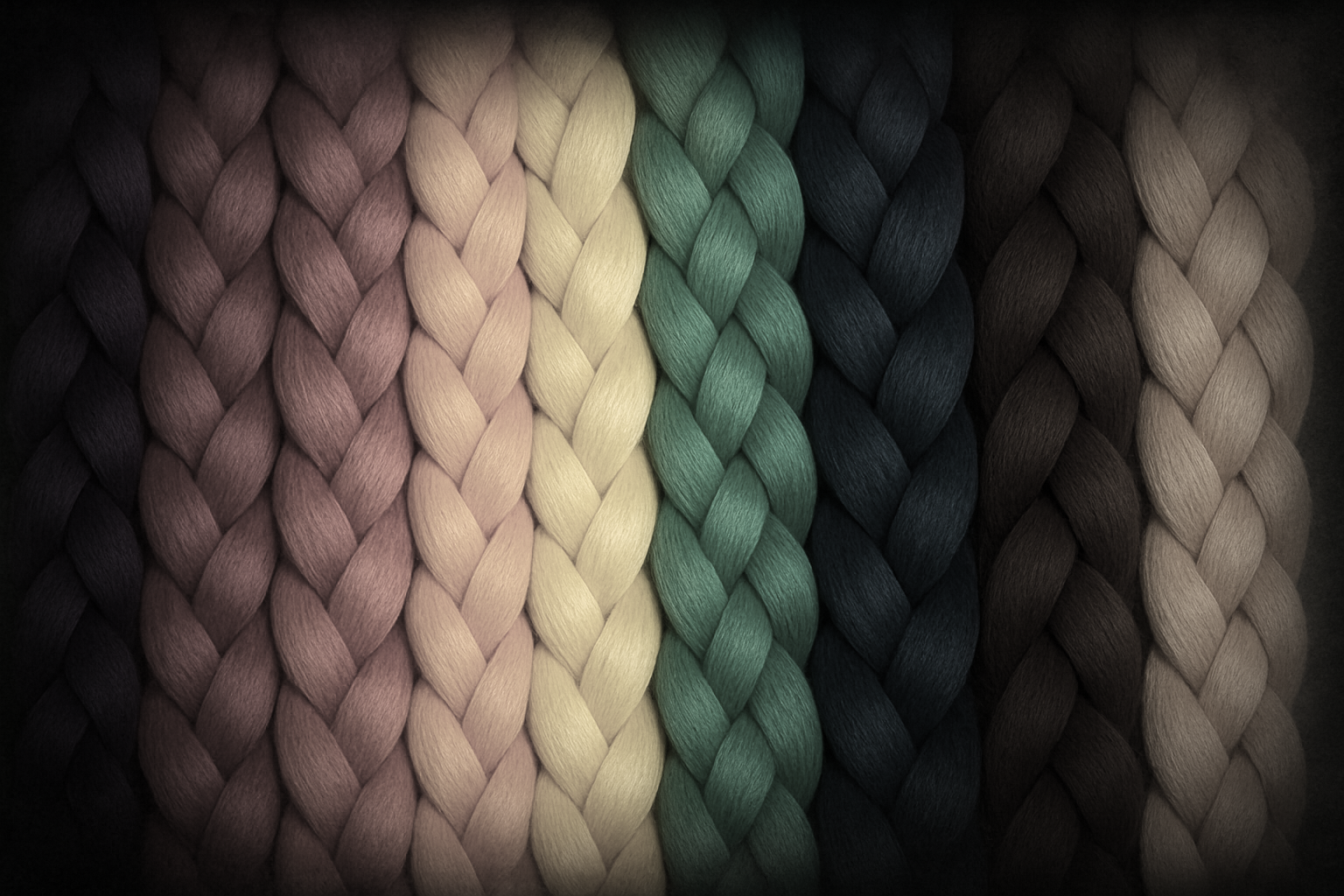
PURCHASING THE CORRECT AMOUNT OF HAIR
-
Estimating the right amount of hair is one of the most common questions when creating dreadlock extensions. The amount you’ll need depends on fibre type, dread size, length, and whether you’re creating single-ended (SE) or double-ended (DE) locs.
-
Full Head, Half Head, and Partials
Full Head: Usually upwards of 50 locs.
Half Head: Around 30 locs.
Partial / Accent: Up to 30 locs.
Dread Sizes
Straw (4mm): Fine and delicate, requires more locs for full coverage.
Pencil (6mm): Standard size, versatile, most commonly used.
Marker (8mm): Fuller and statement-making.
Sharpie (10mm): Thick and sculptural, ideal for bold, textured crowns.
Smaller locs need more pieces for full coverage; larger locs cover more with fewer strands.
Single-Ended (SE) vs Double-Ended (DE)
Single-Ended (SE): One strand per loc, standard coverage.
Double-Ended (DE): Hair folded in half, doubling both length and hair required per loc.
-
Henlon
Pack weight: 80g
Typical loc yield: ~10 Pencil-sized locs (50–60cm)
Notes: Soft, smooth, blends naturally, ideal for SE or DE.
Human Hair
Pack weight: 100g
Typical loc yield: ~10–12 Pencil-sized locs
Notes: Fully natural, matures over time, longer or thicker locs may require more packs.
Kanekalon / Jumbo Braid
Pack weight: 100g
Typical loc yield: ~10–12 Pencil-sized locs
Notes: Synthetic, good for volume and colour; SE or DE use depends on style.
Water Wave / Curly Synthetic (e.g., Anna Wave, Ariel Hair)
Pack weight: 100–300g depending on length
Typical loc yield: 8–12 locs per 100g for Pencil size (longer lengths require more)
Notes: Factory-set curls and waves; DE locs need heavier packs.
Afro Hair
Pack weight: 50–100g
Typical loc yield: ~8–10 Pencil-sized locs per 50g
Notes: Light, spongy, naturally voluminous; fewer locs needed for fullness.
Wool (Merino, Teeswater, Alpaca, Mohair)
Pack weight: Varies (skeins or semi-felted usually 100-200g)
Typical loc yield: 10-20 locs dependent on thickness and dread size
Notes: Heavy fibres, creates textured, wild, or boho styles; DE locs require double weight.
-
Pencil-sized locs (6mm) around 50–60cm typically weigh upto 80g each.
DE locs are double the length of SEs, so require double the hair.
Larger loc sizes (Marker or Sharpie) (8-10mm) around 50–60cm typically weigh 80-100g each.
Note: Textured, braids, or wavy fibres add natural volume, meaning fewer locs may be needed for a full look.
-
Always consider your client’s hair length, thickness, and desired fullness before purchasing.
Smaller locs (Straw / Pencil) need more pieces than larger locs (Marker / Sharpie).
Wavy, curly, or textured fibres add natural volume - fewer locs may be required for a full head.
Check SE vs DE planning: a DE loc of 50cm requires the equivalent of two SE locs of the same length.
By considering fibre type, pack weight, dread size, length, and SE/DE planning, you can confidently estimate exactly how much hair is needed for full heads, half heads, or partial accent installs.
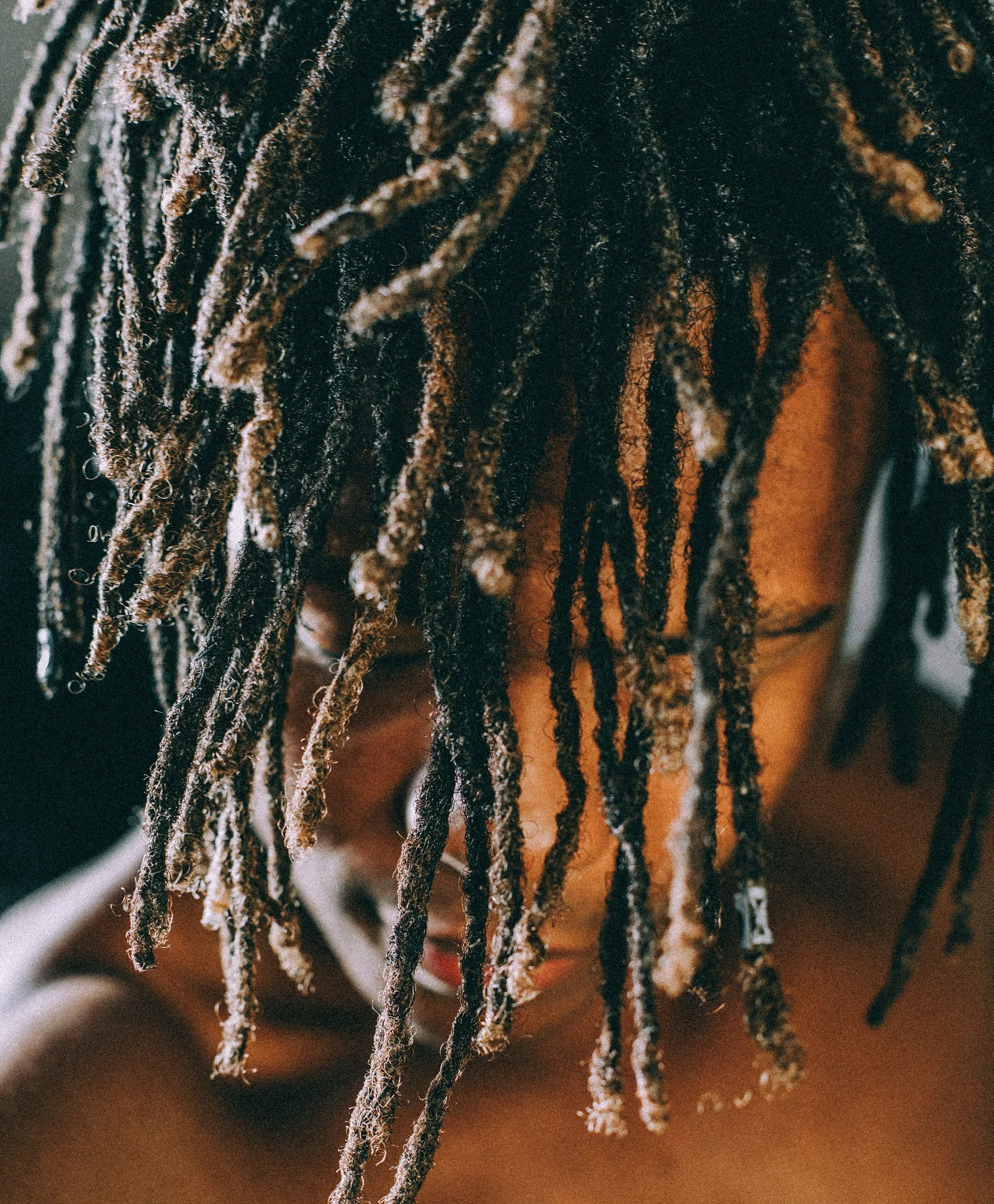
CHOOSING THE RIGHT TYPE OF HAIR FOR YOUR CLIENT
-
Selecting the perfect fibre for someone’s crown is one of the most important decisions in dreadlock making.
Every client brings a different hair type, lifestyle, aesthetic goal, and personal intention and the fibre you choose becomes the foundation of their entire journey.
Material selection is both technical and intuitive.
You aren’t just choosing hair, you’re shaping a crown that supports the client’s identity, lifestyle, and vision.
This guide helps you choose with clarity, skill, and confidence. -
Your client’s own hair determines what will blend well, behave predictably, and support the installation.
Assess:
Thickness & density - Finer hair suits lighter fibres like Henlon or Yaki; dense hair can hold chunkier textures.
Texture - Straight hair blends with smooth fibres; wavy, curly, and coily hair pairs beautifully with boho, afro, or water-wave styles.
Length - Shorter hair may require extensions; longer hair can carry more length and weight.
Their natural hair is the anchor, everything else builds from here.
-
A crown must match the rhythm of the client’s everyday life.
Ask yourself:
Do they want long-term wear? → Human hair or high-quality Henlon.
Do they frequently change colours or styles? → Kanekalon, jumbo braid, or Water Wave.
Do they need low-maintenance fibres? → Henlon or smooth synthetics.
Are they often outdoors, active, or swimming? → Choose synthetic fibres that dry quickly and hold shape.
A style only feels magical when it’s practical, too.
-
Clients generally fall into one (or a blend) of these style paths:
The Naturalist
Wants the most authentic, organic look possible.
Best fibres: Human hair, Henlon, Yaki.The Boho Wildling
Soft waves, braids, plaits, twists, and effortless texture.
Best fibres: Henlon, Yaki, Water Wave, Afro.The Viking Warrior
Bold, rugged, textured, decorated with beads, wraps, and earthy tones.
Best fibres: Coarse Henlon, Yaki, Afro, Human hair.The Colour Changer
Eager for dramatic palettes, seasonal shifts, or fantasy blends.
Best fibres: Kanekalon, Jumbo Braid, Water Wave.The Minimalist
Prefers smooth, simple, clean lines.
Best fibres: Straight Henlon, Yaki, Human hair.Their visual intention plays a major role in choosing the correct fibre.
-
Each material behaves differently:
Henlon: lightweight, soft, realistic movement; suits nearly all styles.
Kanekalon / Jumbo Braid: bold colours, dramatic volume, crisp shaping.
Yaki / Braiding Hair: excellent for blending natural hair, subtle realism.
Water Wave: factory-set curl patterns that add flow, bounce, and softness.
Afro Textures: dense and dimensional; brilliant for volume and rugged depth.
Human Hair: the most natural appearance, movement, and longevity.
Texture determines how the loc forms, settles, and ages.
-
Not every client wants the same longevity.
Short-term or experimenting? → Synthetic options.
Medium-term with flexibility? → Henlon or Kanekalon.
Long-term, deeply committed journey? → Human hair or premium Henlon.Guide them away from choices that don’t suit their long-term goals.
-
Every client carries a story into your chair.
Ask:What do you want this hairstyle to represent?
Do you want transformation, ease, or self-expression?
How do you want to feel wearing your locs?
Understanding this guides your decision better than any checklist.
-
Some of the most beautiful crowns are hybrids:
Henlon + Water Wave for soft movement
Yaki + Afro for depth
Kanekalon streaks woven into Henlon for colour
Human roots with Henlon extensions for balance
Wool for softness and natural texture
Blending fibres creates dimension, visual softness, and a truly unique set.
-
Please do your own research on the potential health risks associated with chemical coatings on synthetic hair. While synthetic braiding and extension fibres are widely used in the dreadlock industry, some products may contain harmful chemicals such as formaldehyde, heavy metals, or other volatile compounds. Individual reactions and sensitivities can vary, so we encourage you to make informed choices for yours and your clients’ health and safety.
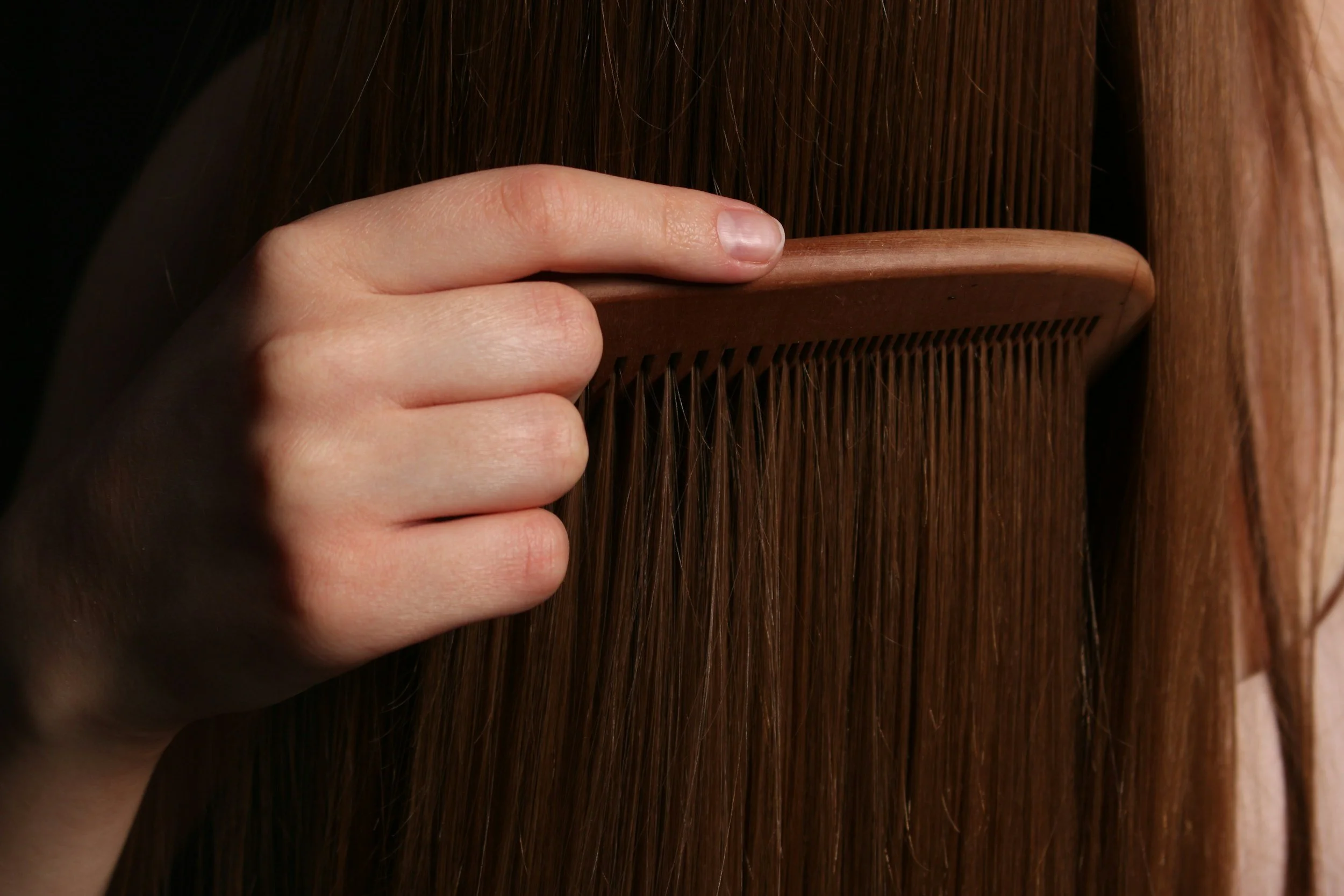
ETHICS, HEALTH & SOURCING
-
Hair is more than just fibre, it carries chemical, emotional, and spiritual weight. At DreadSchool, I encourage you to look deeper: not only at the materials you use, but at where they come from, how they affect the body, and the energy they hold.
-
Synthetic hair, especially types like Kanekalon (Xpression and Jumbo Braid in particular) is often coated with chemical treatments that can irritate the scalp, raise its pH, and even release fumes when heated.
Some synthetic fibres may contain compounds such as acrylonitrile and vinyl chloride, which are known to pose health risks. Prolonged exposure or use in poorly ventilated spaces can be particularly concerning. There have also been thousands of formally documented cases around the world of allergic reactions and skin irritation from synthetic hair- including from my own clients.Given these risks, I’m personally moving away from recommending Kanekalon-style fibres, especially for clients or students who are sensitive or want a cleaner, safer option.
-
Recycled Human Hair: When sourced ethically, human hair can be a sustainable and non-toxic option. Ethical hair companies offer traceable supply chains and transparent sourcing. You can even ask your local hairdressers if they dispose of used hair extensions - they may give you them for free or at a small cost. Make sure you clean and sanitise used hair properly before use and selling.
Pure Henlon & Wool: These fibres contain none of the toxic coatings often found on synthetic hair. They’re soft or textured, breathable, and gentle on the scalp - great for long-term wear and sensitive skin.
We are lucky to live in Australia where ethically sources wool is abundant! Keep an eye on this space for a list of local wool suppliers.
Choosing these fibres isn’t just about health - it’s a statement about ethical responsibility, sustainability, and caring for both the body and spirit.
-
In many spiritual traditions, hair is seen as a vessel of energy: memory, intention, and even ancestral or emotional resonance can collect in our strands. For many dreadlock wearers, locs are not just a style, they are a spiritual journey.
Some believe that if hair holds energy, then it can also hold old energy - the thoughts, emotions, or experiences you’ve carried. To support clients or yourself in releasing this energy especially in recycled hair or harvested dreadlocks, you can:
Cleansing Rituals: Use sage, palo santo, or incense smoke to energetically purify your locs.
Water Rituals: Rinse with salt water, moon water, or herb-infused mist to clear and recharge.
Intentional Cuts: When it feels time, trimming or cutting hair can be a symbolic act of release — a new chapter.
Meditative Reflection: Use the care moments (washing, re-torquing) to meditate, reflect, or set intentions for the energy you wish to weave into your locs.
For those who are not spiritually or ritual-minded, these practices can still be approached practically: washing, conditioning, trimming, and gently caring for your hair are all ways to refresh, restore, and reset your dreads.
Even without intention or ritual, giving your locs attention and care supports healthy, vibrant hair. -
It’s important to question where human hair is sourced, how workers are treated, and whether the supply chain respects both people and planet. Ethical sourcing matters, both for your client and for the greater community.
At DreadSchool, choosing fibres is about more than aesthetics — it’s about honoring your body, your ethics, and your spirit. When you educate yourself and make intentional choices, your work becomes a practice of care, compassion, and creativity. -
Ethical Human Hair Trade
Does the global hair trade exploit poor women? — Al Jazeera video / article on how impoverished women in Myanmar, Cambodia and elsewhere supply the human hair trade.
The hair trade’s dirty secret — The Guardian investigates exploitation in the global human hair industry.
Untangling the unseen stories of the hair industry— ANU (Australian National University) news piece on economic and ethical issues in the hair‑extension trade.
Hair & Dreadlocks Carrying Energy (Spiritual / Cultural)
The Spiritual Meaning of Dreadlocks – The Crown of Strength, Spirit, and Ancestral Memory — The Oracle’s Library on how locs are seen as spiritual conductors.
Spiritual Locs— A blog post on drlocs.com about dreadlocks acting as an antenna for mental and spiritual energies.
3 Links Between Natural Hair and Spirituality — Mystic Minds article describing locs as aligned with divine and natural energies.
⚠️ Safety Concerns with Kanekalon / Synthetic Hair
Is Henlon hair safe? - Blog by Dreadshop explaining their findings being the leading henlon hair supplier in Europe.
Synthetic braiding hair used by women contain dangerous chemicals — Harvard T.H. Chan School of Public Health report on carcinogens, lead and VOCs in synthetic hair.
Popular Synthetic Hair Extensions Contain Carcinogens — So Why Are There Still No Regulations?— Marie Claire article on the lack of regulation around synthetic hair.
New Report Finds Toxic Chemicals In Synthetic Hair - YouTube Video